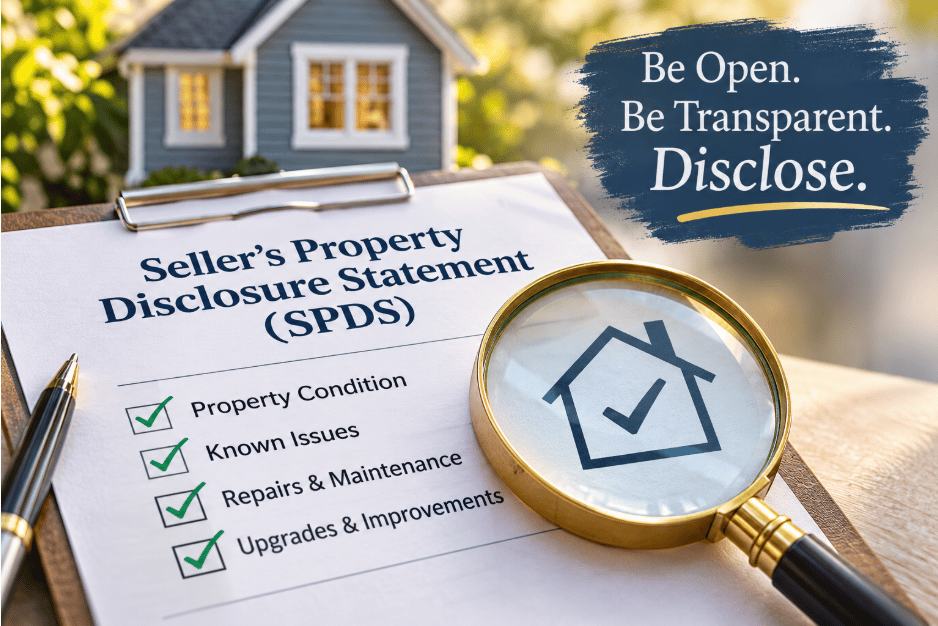
Selling Your Home During Divorce: Protect Yourself Through Proper Disclosure
Understanding the Seller's Property Disclosure Statement (SPDS), your disclosure responsibilities, and what to do when one spouse has moved out.
What Is the SPDS, and Why Is It Important? The Seller's Property Disclosure Statement (SPDS), commonly referred to as "spuds," is one of the most important documents in an Arizona real estate transaction. The SPDS provides prospective buyers with information about the property's condition, history, repairs, improvements, and known material issues that could influence their decision to purchase the home.
Arizona law requires sellers to disclose known material facts about their property. These may include roof leaks, plumbing problems, water damage, termite infestations, structural concerns, and other significant conditions. The SPDS also allows sellers to explain repairs, upgrades, and improvements that have been completed.
The objective is simple: Be open, upfront, and transparent about the property's condition to help reduce potential liability after closing. The Challenge of Completing the SPDS During Divorce Divorce creates unique challenges because one spouse often continues living in the marital residence while the other has moved out, sometimes months or even years earlier. I refer to these individuals as the "in-spouse" and the "out-spouse." The in-spouse typically has more knowledge of the property's current condition, while the out-spouse may have important information about its earlier history, repairs, and maintenance. Fortunately, there are two options for completing the SPDS.
Option 1: Complete One SPDS Together: My preferred approach is for both spouses to collaborate on completing one SPDS. Each contributes their knowledge, reviews the answers, and signs the document once they agree that the information is accurate and complete. This provides the buyer with one comprehensive disclosure. However, when communication is strained or the parties disagree, this approach may not be practical.
Option 2: Each Spouse Completes a Separate SPDS: Another option is for each spouse to complete their own SPDS based on their knowledge of the property.The in-spouse discloses known property conditions, including recent repairs, maintenance, and any material issues. The out-spouse completes a separate SPDS and should explain when they moved out and that their firsthand knowledge of the property's condition has been limited since that date.
For example: "I moved out of the property in June 2024 and have not occupied the residence since. My firsthand knowledge of the property's condition since that date is limited. My responses reflect my personal knowledge, including information communicated to me after moving out." Both completed disclosures can then be provided to the buyer together, with any discrepancies addressed.
Moving Out Doesn't Eliminate Disclosure Responsibilities: This is particularly important. Just because a spouse moved out doesn't mean they can claim to have no knowledge of the property. The out-spouse may know about previous roof leaks, termite treatments, insurance claims, or other material conditions. Additionally, they may learn about new problems through emails, text messages, inspections, repair estimates, or communications during the transaction. For example, if the in-spouse fails to disclose a previous termite infestation, but the out-spouse remembers the treatment, that information should be disclosed. Neither spouse should withhold known material information simply because they disagree with the other party.
When in Doubt, Disclose: My recommendation to sellers is simple: When in doubt, disclose. If you know about a previous problem, disclose it. If it was repaired, explain the repair. If supporting documentation is available, provide it when appropriate. If you don't know the answer, explain the limitations of your knowledge rather than guessing. And if new material information becomes available during the transaction, the disclosures may need to be updated. The purpose of the SPDS is not to make the property appear perfect. It is to provide prospective buyers with accurate information so they can make an informed decision.
The Bottom Line: Divorce may change how the SPDS is completed, but it does not eliminate either spouse's responsibility to disclose known material facts. Whether the parties complete one SPDS together or separate disclosures, the goal remains the same: transparency. Thorough and accurate disclosures can help protect both sellers, reduce the likelihood of future disputes, and contribute to a smoother closing.The best protection against potential disclosure liability is to be open, upfront, and transparent about what you know.
Chris Carter Kent, REDS-AZ, Real Estate Special Commissioner Associate Broker, Compass. 480-388-0662 [email protected]